




The search for Cleopatra’s tomb has fascinated historians, archaeologists, and treasure hunters for centuries. Cleopatra VII, the last active ruler of the Ptolemaic Kingdom of Egypt, died in 30 BCE, but the location of her final resting place remains a mystery. Ancient texts and modern research point to possible burial sites, yet the lost tomb of Cleopatra continues to elude discovery.
Cleopatra’s tomb is more than just a burial site—it symbolizes the end of the Ptolemaic dynasty, the grandeur of ancient Egypt, and a tale of political intrigue, romance, and legacy. This article explores every aspect of Cleopatra’s tomb, from historical records and archaeological searches to modern theories, excavation efforts, and cultural impact. By the end, readers will understand why the Cleopatra burial site remains one of the greatest Egyptian tomb mysteries.
Historical Background: Cleopatra VII and Her Reign
Cleopatra VII Philopator (69–30 BCE) ruled Egypt during a turbulent period marked by political instability and Roman expansion. She was the daughter of Ptolemy XII and became co-regent with her younger brother Ptolemy XIII at a young age.
Cleopatra is renowned for her intelligence, political acumen, and alliances with powerful Roman figures, including Julius Caesar and Mark Antony. Her reign sought to preserve Egypt’s independence, but the rise of Rome ultimately ended Ptolemaic rule.
Understanding Cleopatra’s life is essential to contextualizing the search for her tomb. Her death marked not only the fall of a dynasty but also the loss of knowledge about royal burial practices in the late Ptolemaic period.
Accounts of Cleopatra’s Death
Historical sources provide limited but intriguing clues about Cleopatra’s final moments. According to Plutarch, Dio Cassius, and other Roman historians, Cleopatra died by poisonous asp bite or possibly another self-inflicted method to avoid Roman captivity.
Mark Antony, her lover and co-ruler, committed suicide shortly before Cleopatra. Ancient texts describe Cleopatra’s desire for a burial that befitted her royal status. She reportedly instructed loyal attendants to prepare a tomb alongside Mark Antony, suggesting a joint burial site.
These accounts form the foundation of the Cleopatra tomb mystery. While her death location is generally accepted to be near Alexandria, Egypt, the precise location of her tomb has never been confirmed.
Search for Cleopatra’s Tomb
The search for the lost tomb of Cleopatra has intrigued explorers for centuries. Historians propose several potential locations based on ancient texts, local tradition, and archaeological evidence.
Alexandria, Egypt
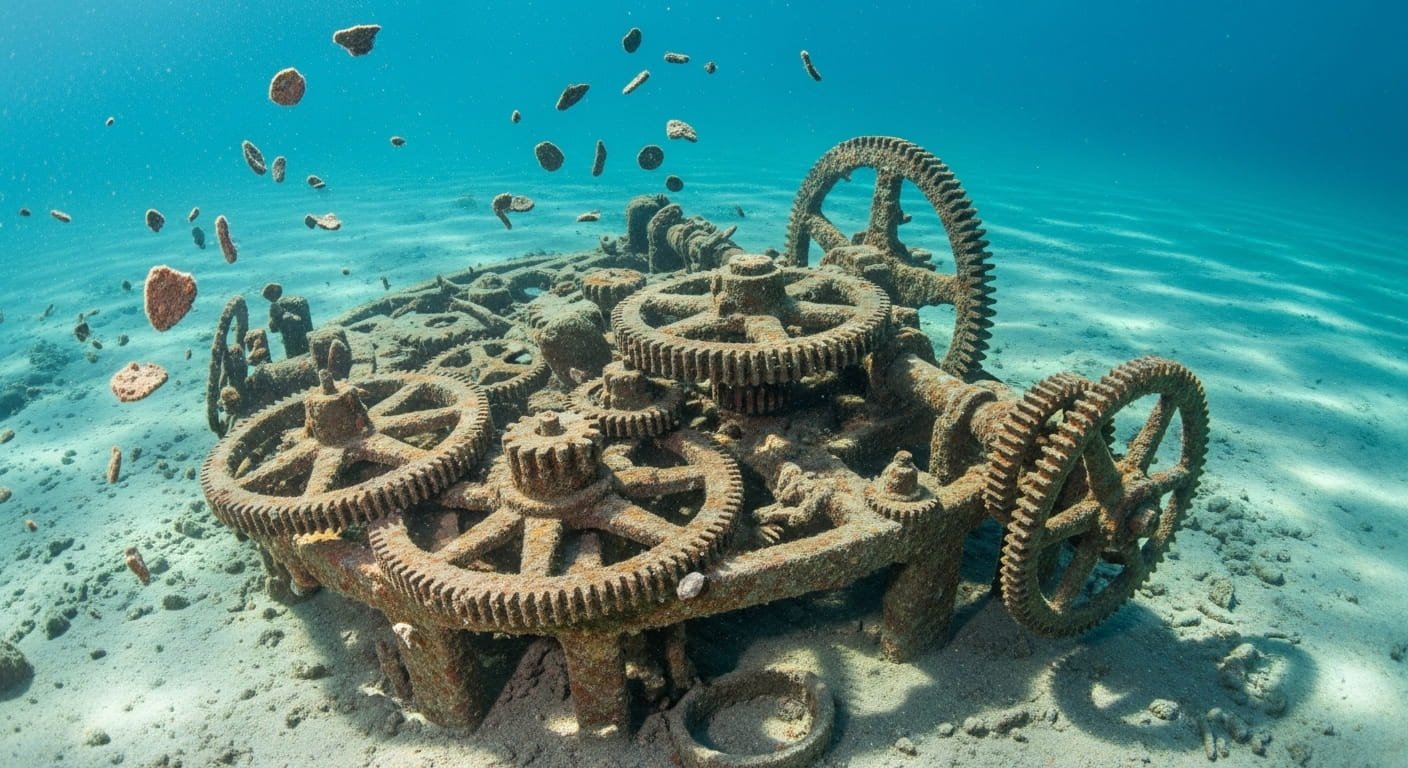
Alexandria, the capital of Ptolemaic Egypt, is the most frequently suggested site. The city has changed drastically since Cleopatra’s era due to natural disasters, earthquakes, and urban development. Researchers believe her tomb may lie beneath modern structures or submerged underwater near the ancient palace district.
Taposiris Magna
Located about 45 kilometers west of Alexandria, Taposiris Magna is an ancient temple complex dedicated to Osiris. Excavations by Egyptian archaeologists, including Dr. Zahi Hawass, have uncovered burial chambers, coins, and inscriptions dating to Cleopatra’s era. Some researchers suggest Taposiris Magna could house Cleopatra and Mark Antony’s tomb.
Other Theories
Other proposed sites include hidden chambers in the Nile Delta, smaller Ptolemaic temples, and even coastal caves now submerged by the Mediterranean. Each theory carries evidence but lacks definitive proof.
Archaeological Investigations
Archaeologists have employed modern techniques to locate the Cleopatra burial site, combining traditional excavation with high-tech methods.
Excavations at Taposiris Magna
Since 2006, Dr. Zahi Hawass and his team have been excavating Taposiris Magna. They uncovered several stone sarcophagi, burial shafts, and ceremonial artifacts, including coins with Cleopatra’s likeness. While no definitive tomb has been found, the evidence suggests the area was a burial site for royalty or elite individuals.
Satellite Imaging and Ground-Penetrating Radar
Advanced tools such as ground-penetrating radar (GPR) and satellite imaging have been used to detect underground anomalies. Researchers identified voids, tunnels, and chamber-like structures, which could be part of a tomb complex. These technologies are promising but have yet to provide conclusive evidence.
Challenges in Excavation
Excavating Cleopatra’s tomb presents significant challenges for archaeologists. Urban development in Alexandria has covered many potential burial sites, while coastal erosion and earthquakes have destroyed or damaged ancient structures. Rising sea levels and shifting land have submerged possible locations, and centuries of looting have erased much of the historical evidence. Despite these obstacles, archaeological teams remain hopeful that Cleopatra’s tomb will one day be found.
Theories and Legends
The Cleopatra tomb mystery has generated numerous theories, blending historical evidence, legend, and speculation.
Tomb Beneath Alexandria
Some believe Cleopatra’s tomb is buried under Alexandria’s modern streets or submerged beneath the Mediterranean. Ancient texts mention palaces and temples along the coast, potentially hiding her burial site.
Temple of Osiris at Taposiris Magna
Archaeologists speculate that Cleopatra may have chosen the Temple of Osiris for its religious significance. Osiris was the god of the afterlife, and burial within a temple dedicated to him would symbolize royal status and divine favor.
Hidden or Secret Chambers
Some researchers suggest that Cleopatra’s tomb was intentionally concealed to prevent desecration by Roman forces. Secret passageways or hidden chambers may still lie undiscovered, waiting for modern excavation to reveal them.
Curses and Supernatural Legends
As with many Egyptian tombs, legends of curses and supernatural protection surround Cleopatra’s burial site. While largely mythological, these stories contribute to the mystique and cultural fascination with the tomb.
Potential Artifacts and Treasure
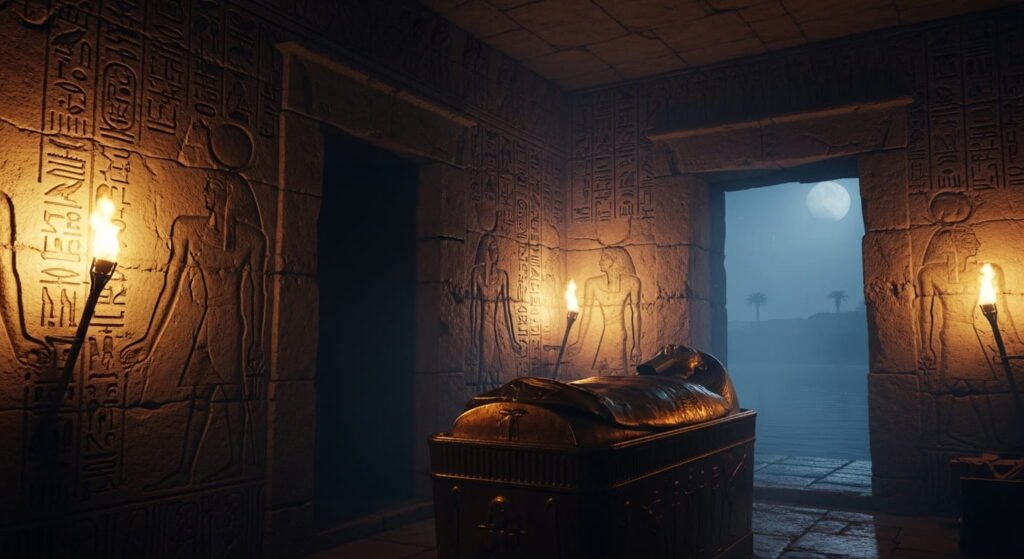
If Cleopatra’s tomb is ever discovered, it could contain a remarkable array of treasures reflecting her royal status. These might include gold jewelry and crowns, royal scarabs and amulets, papyri or scrolls documenting Ptolemaic history, funerary masks and ornate sarcophagi, as well as personal belongings of Cleopatra and Mark Antony. Such artifacts would offer unprecedented insight into the late Ptolemaic period and shed light on Cleopatra’s personal life and reign.
Scientific Methods for Discovery
Modern science is playing a crucial role in the search for Cleopatra’s tomb. Ground-penetrating radar (GPR) can detect underground chambers and voids, while magnetometry and seismic surveys help identify structural anomalies. Chemical analysis allows researchers to detect traces of human remains, pigments, and burial materials. Underwater archaeology explores submerged ruins and ancient coastline settlements that may hold clues. Together, these tools increase the chances of discovery while minimizing excavation, helping to preserve fragile historical sites.
Cultural Impact
The mystery of Cleopatra’s tomb has inspired art, literature, films, and scholarly research for decades. Hollywood films, such as Cleopatra (1963), dramatize her life and death, while novels explore her political intrigue, her romances with Julius Caesar and Mark Antony, and the enduring mystery of her disappearance. Documentaries highlight ongoing archaeological expeditions and scholarly debates, keeping audiences engaged. Cleopatra continues to symbolize power, beauty, and intelligence, ensuring sustained public fascination. The allure of her tomb combines historical intrigue, the excitement of treasure hunting, and the romanticism of lost knowledge.
Why the Mystery Persists
The Cleopatra tomb mystery remains unsolved due to several factors:
- Historical destruction: Earthquakes, floods, and looting over centuries
- Urban development: Modern Alexandria covers ancient sites
- Limited textual records: Ancient sources provide few precise details
- Submerged ruins: Rising sea levels and coastal erosion obscure potential locations
- Political instability: Past conflicts have hindered systematic excavation
These challenges ensure that the search for Cleopatra’s tomb continues to captivate archaeologists and enthusiasts worldwide.
Conclusion
The lost tomb of Cleopatra represents one of the greatest Egyptian tomb mysteries in history. Its allure stems from the combination of Cleopatra’s iconic legacy, the political intrigue surrounding her reign, and the centuries-long quest to uncover her final resting place.
Despite modern archaeological techniques, historical research, and technological advances, the Cleopatra burial site remains elusive. Whether submerged beneath the Mediterranean, hidden beneath modern Alexandria, or concealed within a temple like Taposiris Magna, the tomb symbolizes both historical mystery and the human fascination with lost knowledge.
Finding Cleopatra’s tomb would not only solve a 2,000-year-old mystery but also reveal the secrets of a queen whose life and death continue to inspire awe, legend, and scholarship worldwide. The search continues, keeping alive the hope that one day, the Cleopatra tomb will be found, completing the story of Egypt’s last pharaoh and the ultimate chapter in ancient Egyptian history.
FAQs
Q1: Where is Cleopatra’s tomb?
The location of Cleopatra’s tomb is unknown, but candidates include Alexandria and Taposiris Magna in Egypt.
Q2: Has Cleopatra’s tomb been discovered?
No. Despite archaeological excavations and modern technology, her burial site remains undiscovered.
Q3: Who might be buried with Cleopatra?
Historical accounts suggest Mark Antony, her lover and co-ruler, may have been buried alongside her.
Q4: What treasures could be in Cleopatra’s tomb?
Potential treasures include gold jewelry, royal artifacts, funerary masks, papyri, and personal belongings.
Q5: Why is Cleopatra’s tomb so mysterious?
Factors include ancient destruction, urban development, looting, and limited historical records.
Q6: Have modern technologies helped locate Cleopatra’s tomb?
Yes. Ground-penetrating radar, seismic surveys, satellite imaging, and underwater archaeology are aiding researchers.
Q7: Why is Cleopatra’s tomb important historically?
The tomb could provide insight into Ptolemaic burial practices, royal life, and Egypt’s final dynasty.